
What Is At The American Museum Of Natural History
📖 Table of Contents
I remember the first time I took my 3-year-old to the American Museum of Natural History in New York City. It was a rainy afternoon, and we had just walked through the crowded streets of Central Park. The moment we stepped into the museum, my child’s eyes widened—she was captivated by the towering dinosaur bones, the shimmering butterflies, and the quiet hum of curiosity that filled the air. The museum was like a portal to another world, and it became one of our favorite places to explore together.[1]
As a parent, I quickly learned that the American Museum of Natural History is more than just a collection of exhibits. It is a place where science, history, and imagination come together in a way that can inspire both children and adults. From the moment you enter, the museum offers a wealth of interactive displays, educational programs, and hands-on activities that are both engaging and informative. It’s the kind of place where my daughter would spend hours tracing the outline of a giant sloth or watching a live animal demonstration.
The experience is also deeply sensory. The museum is full of rich textures, bright colors, and immersive environments that make learning feel like play. Whether it’s touching a scale model of a meteorite or listening to the soft chirps of a hidden rainforest exhibit, every corner of the museum is designed to spark wonder. If you’re a parent looking for a place that combines education and fun in a meaningful way, the American Museum of Natural History is a must-visit.
Why You'll Love This Museum Experience
- Interactive exhibits that keep children engaged and curious.
- Educational programs designed for different age groups and learning styles.
- Opportunities for hands-on exploration that spark creativity and imagination.
- A safe, welcoming environment that promotes learning and discovery.
What You'll Find at the American Museum of Natural History
As of September 2026, the museum is divided into several wings, each dedicated to a different scientific discipline. The Hall of Biodiversity, for example, showcases the intricate relationships between species and their environments, while the Hall of Human Origins explores the evolution of our own species. Each exhibit is carefully curated to provide a deeper understanding of the natural world.
One of my favorite parts of the museum is the American Indian Hall, which features a collection of artifacts, artwork, and historical documents that tell the stories of Indigenous peoples from across the Americas. It’s a powerful reminder of the rich cultural heritage that exists within our own country.
Interactive elements are woven throughout the museum, making it an engaging experience for children of all ages. My daughter loved the hands-on activities in the Hall of Life, where she could use a touch screen to explore the life cycles of various organisms.
Check the museum’s website for any temporary exhibits or events happening during your visit. Some exhibits are only open on specific days or times.
Part of our Toddler museum of natural history tips guide.
Interactive Exhibits for Young Explorers
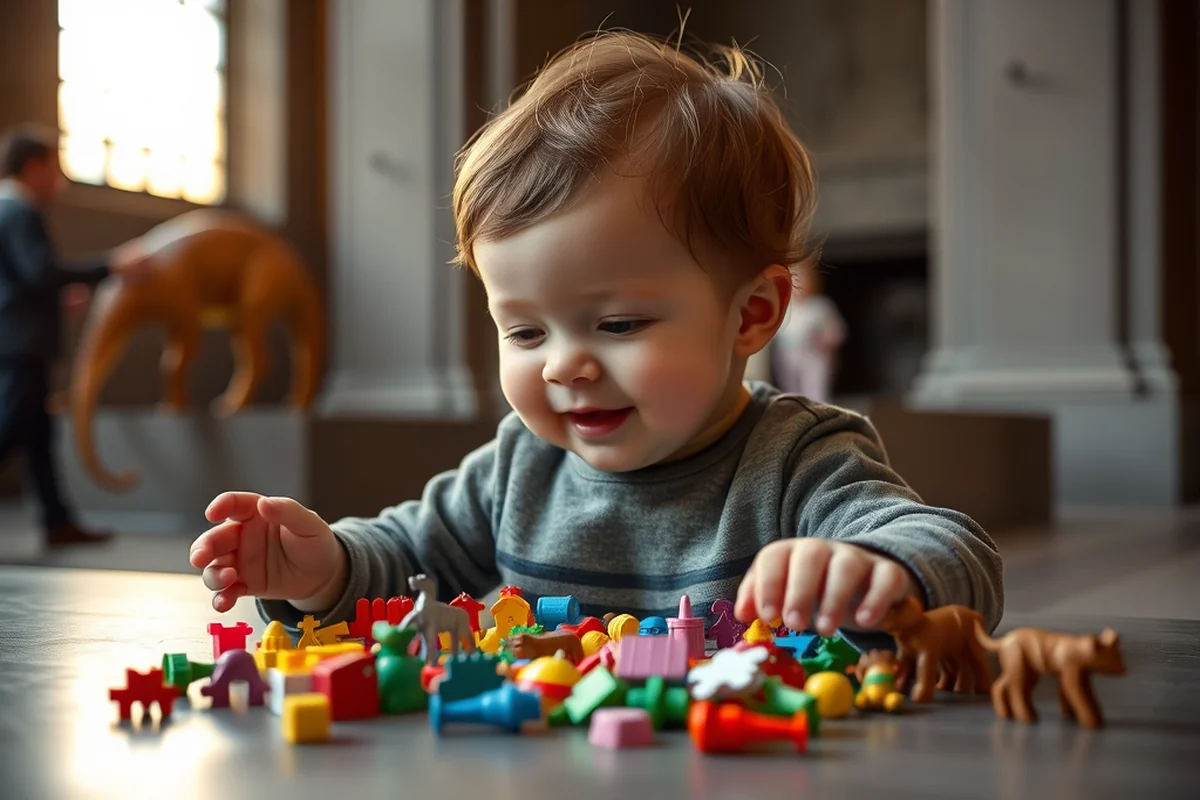
From the Butterfly Vivarium, where children can watch live butterflies flutter around the exhibit, to the Children’s Museum. Is specifically designed for kids under 12, the museum has something for every age and interest. My daughter, who is 5, was particularly fascinated by the hands-on activities in the Children’s Museum, where she could build models of ecosystems and explore the life cycle of a frog. (10024, social.mesaaz.gov)[2]
The interactive exhibits are not only fun but also educational. The museum often includes QR codes or interactive screens that provide additional information about each exhibit, making it a great learning tool for parents and children alike.
One of the best parts of the interactive exhibits is that they are designed to be accessible for children with different learning styles. Whether your child is a visual learner or prefers tactile exploration, there are activities that cater to their needs.
Learning is most fun when it feels like play.
Related: What'S In The American Museum Of Natural History
Related: What Is In The American Museum Of Natural History
Related: National geographic museum dc
Related: What Is Kidspace Museum
Related: What s in the american history museum
Educational Programs and Workshops
One of the most popular programs is the Family Programs, which are designed to be interactive and engaging for families with young children. These programs often include hands-on activities, live demonstrations, and guided tours that are tailored to the interests of the participants.
I recently attended a Family Program on dinosaurs and was amazed by the level of detail and interactivity. The children got to participate in a fossil dig, and the guide explained the science behind the different types of dinosaurs in a way that was both educational and entertaining.
For older children, the museum offers more specialized programs, such as summer science camps and weekend workshops that focus on topics like astronomy, geology, and biology. These programs are a great way to keep children engaged and learning during school breaks.
Many educational programs and workshops require advance registration. I recommend booking tickets as soon as possible to secure a spot for your family. ($50, illinois.gov)[3]
“I remember the first time I took my 3-year-old to the American Museum of Natural History in New York City.”— Toddler Museum Exploration editors
The Power of Hands-On Learning
The museum’s exhibits are designed to encourage exploration and discovery. My daughter, for example, loves the touchscreens in the Hall of Minerals, where she can zoom in on the details of different gemstones and learn about their properties.
Hands-on learning is especially effective for young children, as it allows them to engage with the material in a way that is both fun and memorable. The museum’s designers understand this and have created a variety of activities that make learning tactile and interactive.
One of the most popular hands-on exhibits is the Hall of Human Origins, where children can use a virtual reality headset to explore different stages of human evolution. It’s a powerful way to bring history to life and make it more relatable for young minds.
A Space for Imagination and Wonder
From the moment you step inside, the museum has a way of making you feel like you're entering a different world. The architecture is grand, and the exhibits are meticulously designed to create a sense of awe and curiosity.
I remember one moment when my daughter stood in front of the meteorite exhibit and said, 'It looks like it’s from space!' That kind of wonder is what the museum is all about. It encourages children to ask questions, explore their surroundings, and develop a lifelong love of learning.
The museum’s designers understand that imagination is a powerful tool for learning. By creating immersive environments and interactive exhibits, the museum helps children develop a deeper understanding of the world around them.
Making the Most of Your Visit
One of the best ways to maximize your time at the museum is to create a loose itinerary. This can help you avoid feeling overwhelmed by the sheer size of the museum. I recommend focusing on one or two key exhibits that are of particular interest to your child.[4]
It’s also important to set clear expectations for your child. Let them know that they can explore as much as they want, but that you’ll be leaving in a few hours. This helps them stay engaged and excited throughout the visit.
Finally, don’t forget to take a break. The museum is a lot to take in, and it’s important to give your child a chance to rest and recharge. I often take a short walk in the museum’s garden area or sit down for a moment of quiet reflection.
The best museums are the ones that make you want to stay a little longer.
A Place for Families to Connect
I’ve found that the museum is a great place to bond with my child. Whether we’re exploring the exhibits together or taking a break in one of the museum’s cafés, we often end up talking about what we saw and what we learned. It’s a way for us to share our thoughts and ideas and to create a deeper connection.
The museum also offers a variety of family-friendly activities that are designed to encourage interaction and collaboration. These activities are a great way to bring the whole family together and to make the museum experience more meaningful.
One of the most special moments I had at the museum was when my daughter asked me a question about the stars and I was able to answer it with confidence. It was a small moment, but it showed me how powerful the museum’s exhibits can be in fostering curiosity and connection.
👶 Gentle Exploration
Perfect for young children who need a slower, more relaxed pace. Focus on one or two exhibits and take frequent breaks.
⚡ Fast-Track Discovery
Ideal for families with limited time. Prioritize key exhibits and use the museum’s map to create a quick tour.
✈️ Travel/Out-of-Town Visit
Great for families who are visiting New York City for the first time. Plan your visit around other city attractions and make it a full-day experience.
👨👩👧👦 Multiple Children
Tailor your visit to the interests of each child. The museum has a wide range of exhibits that can appeal to different ages and learning styles.
🔄 Regression Reset
A great way to reset your family’s routine and bring back a sense of normalcy. The museum is a safe and welcoming space that can help children feel more grounded and focused.
| The mistake | Why it happens | The fix |
|---|---|---|
| Not checking the museum’s website for temporary exhibits or events. | This can lead to disappointment if the exhibit you were interested in is not open during your visit. | Always check the museum’s website or social media for updates on temporary exhibits and events before your visit. |
| Arriving without a plan or itinerary. | This can lead to feeling overwhelmed and not making the most of your time at the museum. | Create a loose itinerary ahead of time, focusing on a few key exhibits or programs that interest you and your child. |
| Not setting clear expectations for your child. | This can lead to frustration or disengagement, especially if your child becomes overwhelmed or loses interest in the exhibits. |
What Is At The American Museum Of Natural History
Common Questions
Is the American Museum of Natural History suitable for very young children?
Are there any special programs for children with disabilities?
How long should we plan to spend at the museum?
Is there a cafe or restaurant at the museum?
References
- National Archives “Freedom Plane National Tour” to Take Original ... (archives.gov)
- Dinosaurs: Activities and Lesson Plans (social.mesaaz.gov)
- Educator workshops scheduled that deal with race ... - Illinois.gov (illinois.gov)
- Pivoting in a Pandemic: Supporting STEM Teachers' Learning ... (files.eric.ed.gov)
Cite this guide
Toddler Museum Exploration (2026). What Is At The American Museum Of Natural History. https://toddlercove.com/what-is-at-the-american-museum-of-natural-history/
Feel free to cite or share this guide.