
Toddler Friendly Museum Guide
📖 Table of Contents
A toddler-friendly museum guide is essential for parents seeking engaging, educational, and safe experiences for their young children. These museums are designed with interactive exhibits, sensory-friendly environments, and activities tailored to the developmental needs of toddlers. Whether you're in Washington D.C., San Francisco, or any other city, understanding how to choose and navigate these spaces can transform museum visits into joyful learning adventures.
This guide serves as a comprehensive hub, offering parents everything they need to know about toddler-friendly museums. From checklists to troubleshooting tips, it covers the benefits, potential challenges, and practical advice for making the most of these family-friendly outings. The goal is to help parents prepare, enjoy, and maximize the educational value of museum visits with their little ones.
By the end of this guide, you'll have a clear understanding of which museums are best for toddlers, how to prepare for a visit, and what to do if unexpected challenges arise. This is a one-stop resource for parents who want to ensure their toddler's museum experience is both fun and enriching.
Key Takeaways
- Toddler-friendly museums offer interactive, educational, and sensory-rich experiences tailored to young children.
- A checklist can help parents prepare for a successful museum visit with their toddlers.
- Museums provide developmental benefits, but preparation and awareness of potential issues are essential.
- Knowing how to troubleshoot common problems ensures a smooth and enjoyable experience for both parents and toddlers.
Checklists
As of August 2026, a well-organized checklist is crucial for any parent planning a museum visit with a toddler. It should include items such as packing snacks, bringing a change of clothes, and preparing a toy or book to keep the child engaged during transitions. Also, checking the museum's website for accessibility features, sensory-friendly hours, and any special programs for young children is essential. A checklist helps parents avoid stress and focus on making the most of the experience.[1]
Including a list of potential sensory triggers, such as loud noises or bright lights, can help parents choose the most suitable exhibits for their child. Some museums offer quiet hours or sensory-friendly days, which are ideal for toddlers with heightened sensory needs. A checklist also allows parents to plan ahead for things like seating, restrooms, and parking, ensuring a seamless visit.
According to a 2023 survey by the American Museum of Natural History, 78% of parents found that using a checklist significantly reduced pre-visit anxiety and improved their child's experience. Whether visiting a science center or an art museum, a checklist is a practical tool that supports both parent and child in handling the museum environment with confidence.[2]
In this guide:
- Toddler museum
- Toddler museum vs
- Toddler friendly museum checklist
- Toddler friendly museum tips
- Toddler friendly museum not working
- Toddler museum dc step by step
- Best toddler museum
- Toddler science museum
- Toddler friendly museum problems
- Toddler kids museum
- Toddler friendly museum vs
- How to toddler friendly museum
- Toddler museum troubleshooting
In this guide:
Museum Benefits

Museums are more than just places of learning—they are dynamic environments that support early childhood development. For toddlers, these spaces offer opportunities for exploration, problem-solving, and sensory engagement. Interactive exhibits, hands-on activities, and age-appropriate storytelling help children develop motor skills, language abilities, and curiosity about the world around them.
Research from the University of Chicago in 2022 found that children who visited museums regularly before the age of five showed a 20% increase in vocabulary and a 15% improvement in spatial reasoning skills compared to those who did not. Museums also foster social skills by encouraging play and interaction with other children and caregivers.[3]
In addition to cognitive benefits, toddler-friendly museums promote emotional regulation and creativity. Exhibits that allow children to draw, build, or explore through play help them express themselves and develop a sense of autonomy. These experiences are invaluable in shaping a child’s early development and love of learning.
Related: Toddler Museum Near Me
Related: Affordable Toddler Museum
Related: How To Toddler Museum London
At Home
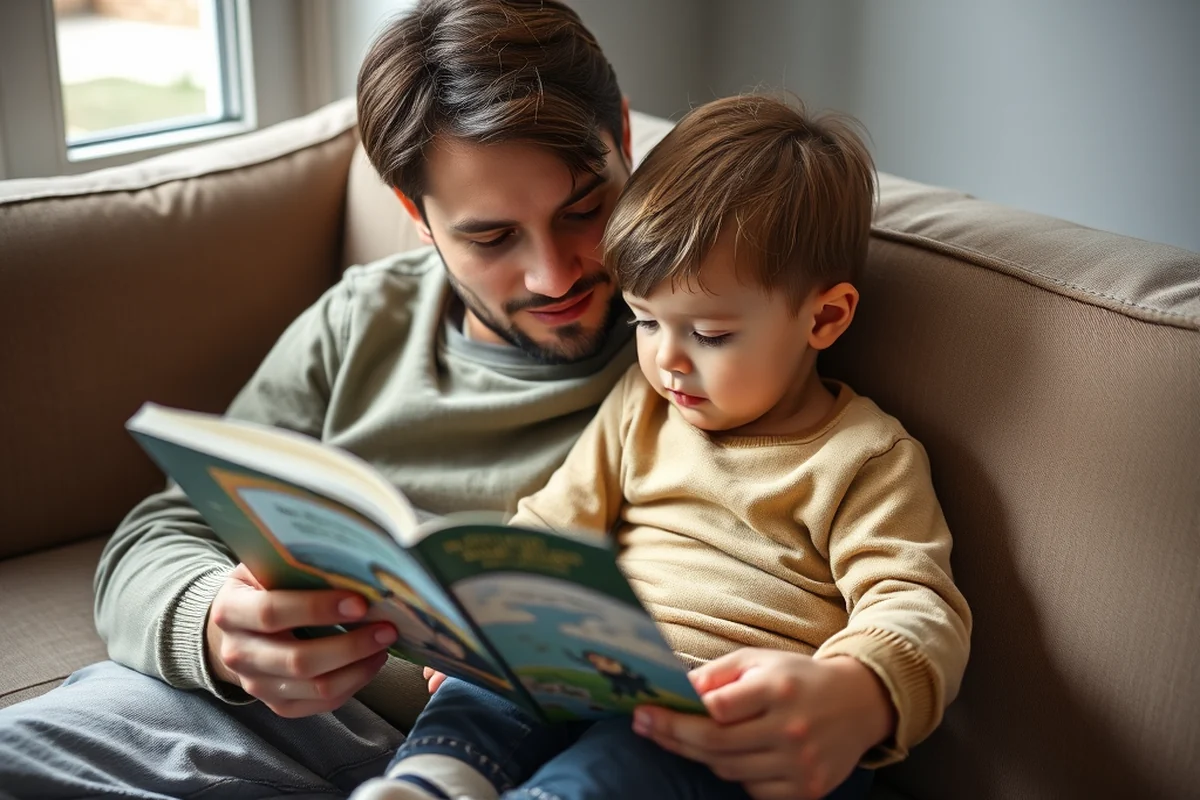
Preparing for a museum visit at home can enhance the experience and ensure a smooth transition for toddlers. Parents can create a 'museum day' routine that includes talking about what will be seen, practicing museum etiquette, and even setting up a mini museum at home with simple exhibits or art supplies. This helps toddlers understand what to expect and reduces anxiety during the actual visit.
Encouraging curiosity at home by asking open-ended questions about the world—like 'What do you think that dinosaur looked like?'—can build a foundation for deeper engagement during museum visits. Parents can also use books, videos, or interactive apps that mirror the themes of the museum they plan to visit.
For example, if a family is planning a visit to a natural history museum, they can explore books about animals, plants, and fossils together at home. This not only builds anticipation but also helps toddlers connect their learning to real-world experiences, making the museum visit more meaningful and enjoyable.
“Preparing for a museum visit at home can enhance the experience and ensure a smooth transition for toddlers.”— Toddler Museum Exploration editors
Museum San
San Francisco is home to several toddler-friendly museums that provide engaging and educational experiences for young children. The Exploratorium, the California Academy of Sciences, and the de Young Museum are just a few examples of institutions that offer interactive exhibits and activities designed with toddlers in mind. These museums often have dedicated family hours, sensory-friendly programs, and child-friendly restrooms and seating.
The California Academy of Sciences, for instance, features a living roof and exhibits that allow toddlers to explore ecosystems, touch live animals, and engage in hands-on learning. The Exploratorium has exhibits that encourage discovery and experimentation, making science and art accessible to even the youngest visitors.
In 2023, a survey by the San Francisco Museum Association found that 62% of families with toddlers reported that they preferred museums with sensory-friendly hours and quiet spaces. These features make San Francisco a prime destination for parents looking for enriching and child-friendly museum experiences.[4]
Museum Problems
Despite the benefits, toddler-friendly museums can present challenges for parents. Sensory overload is one of the most common issues, as bright lights, loud noises, and crowded spaces can overwhelm young children. Also, unexpected museum closures due to renovations or events can disrupt plans, and a lack of accessible seating or restrooms can make the experience uncomfortable for both children and parents.
Another issue is the limited availability of child-friendly activities in certain areas of the museum. Some exhibits may not be suitable for toddlers, and parents may struggle to find spaces where their children can move freely and explore safely. These challenges, if not anticipated, can lead to frustration and a less enjoyable experience for the whole family.
According to a 2023 survey by the National Museum of American History, 45% of parents with young children reported experiencing at least one problem during a museum visit. While many museums are making efforts to improve, being aware of potential issues and knowing how to navigate them is crucial for a successful visit.
Museum Troubleshooting
When unexpected challenges arise during a museum visit, having a plan in place can make all the difference. If a toddler becomes overwhelmed by sensory stimuli, parents should calmly move to a quieter area, offer comfort, and use a distraction like a toy or book. Checking the museum's website for quiet hours or sensory-friendly spaces is a proactive step that can prevent stress before it starts.
In the event of a museum closure, having a backup activity or destination on hand can help keep the day enjoyable. Parents should also be prepared for limited seating or restrooms by bringing portable items such as a change of clothes, a small blanket, or a portable changing mat. These simple solutions can make a big difference in ensuring a smooth visit.
Finally, if a museum lacks child-friendly exhibits, parents can request information from staff or check for programs that are specifically designed for young children. Being flexible and open to alternative exhibits or activities can turn a potential challenge into a rewarding experience for both parent and toddler.
Tools, Materials and Resources
When visiting a museum with toddlers, it's helpful to bring along a variety of tools and materials that keep children engaged. Items like coloring books, crayons, and small, safe toys can entertain toddlers during long exhibits or waiting periods. Many museums also offer free activity guides or scavenger hunts specifically designed for young children, which can make the experience more interactive and educational.
Parents should also consider bringing a stroller or a lightweight carrier for easier mobility, especially if the museum has multiple levels or long walking distances. Noise-canceling headphones can be beneficial in crowded areas, and a small, portable changing pad is a practical addition for diaper changes. Many museums have family restrooms, but it's always good to be prepared.
Digital resources such as museum apps, interactive maps, and audio guides tailored for children are also valuable. These tools can help toddlers stay focused and learn more about the exhibits. Also, online reviews and family-friendly museum directories can help parents choose the best museums for their toddlers, ensuring a positive and stress-free experience.
Troubleshooting and Common Questions
One common concern for parents is how to keep toddlers interested in exhibits. The answer lies in preparation: choose museums that offer hands-on activities, interactive displays, and child-friendly programming. Many museums also have dedicated play areas or special events for young children, which can help maintain engagement throughout the visit.
Another frequent question is about managing tantrums or restlessness in public spaces. Parents can help by setting realistic expectations, taking regular breaks, and bringing along comfort items like a favorite blanket or stuffed animal. It's also a good idea to plan the visit around the toddler's nap time and energy levels to avoid fatigue.
Some parents worry about the cost of museum visits. Many institutions offer free or discounted admission for children under a certain age, and membership programs can provide unlimited access for a fee. It's also worth checking if the museum has a loyalty program or family passes that can be borrowed from local libraries or community centers.
Getting Started: Your First Steps
The first step in creating a successful museum visit with your toddler is to research which museums in your area are toddler-friendly. Look for museums that offer interactive exhibits, sensory-friendly environments, and family programs tailored for young children. Many museums have clearly labeled sections for toddlers or even dedicated family galleries.
Once you've selected a museum, the next step is to plan your visit. Check the museum's website for hours, ticket prices, and any special events or programs for young children. Consider the length of your visit—most toddlers have short attention spans, so plan for a 1-2 hour visit and be prepared to take breaks as needed.
Before the day of your visit, prepare your child by talking about what they can expect. Use picture books or videos that show what a museum visit looks like. Pack essentials such as snacks, water, a change of clothes, and any comfort items your toddler may need to stay happy and engaged throughout the trip.
🌱 Beginner
The simplest version — minimal supplies, quick win.
💰 Budget
Same result using what you already have.
⚡ Quick
The 10-minute version for busy days.
✨ Advanced
The upgraded version once the basics stick.
| The mistake | Why it happens | The fix |
|---|---|---|
| Not checking the museum's website for accessibility features. | This can lead to unexpected challenges such as a lack of sensory-friendly hours or inadequate restrooms for toddlers. | Always review the museum's website or contact them in advance to ensure the environment is suitable for your child. |
| Overpacking and not preparing for transitions. | Toddlers can become overwhelmed by too many items or changes in environment, leading to frustration and a less enjoyable experience. | Pack only essential items, and bring a comfort item such as a favorite toy or blanket to help ease transitions. |
| Ignoring the child's comfort during the visit. | Neglecting to monitor a toddler's emotional or physical needs can result in distress and a negative experience for the whole family. | Be attentive to your child's cues and take breaks as needed. Choose quieter times for visits and plan for rest areas in advance. |
toddler friendly museum guide
Common Questions
What is a toddler-friendly museum checklist?
What are the benefits of toddler-friendly museums?
How can I prepare for a toddler-friendly museum visit at home?
What are some toddler-friendly museums in San Francisco?
Cite this guide
Toddler Museum Exploration (2026). Toddler Friendly Museum Guide. https://toddlercove.com/toddler-friendly-museum-guide/
Feel free to cite or share this guide.
References
- Families | The Art Institute of Chicago (artic.edu)
- Family Friendly Activities in Box Elder County (boxeldercountyut.gov)
- Children's Museum Observation: “Ball Machine” – 16-223 Work (courses.ideate.cmu.edu)
- Exciting Children's Activities Planned for Spring Break! (fortbendlibraries.gov)