
Top Toddler Exploration Activities
📖 Table of Contents
- Nature Walks: The Power of the Outdoors
- Sensory Bins: A World of Touch and Play
- Sorting and Matching Games: Building Early Skills
- Water Play: A Cool Way to Explore
- Simple Art Projects: Expressing Creativity
- Music and Movement: Exploring Sound and Rhythm
- Building and Construction: Exploring Shapes and Structures
- Exploring with Everyday Objects: Turning the Household into a Learning Lab
- Make It Your Way
- Frequently Asked Questions
I still remember the first time my daughter picked up a pebble from the sidewalk and brought it home, declaring it 'the best treasure in the world.' It was a small moment. It sparked my fascination with toddler exploration activities. As a parent, I quickly realized that these activities weren’t just about keeping my toddler entertained—they were essential for her development. I began experimenting with everything from nature walks to sensory bins, and over time, I found that the right activities could turn a simple day into a rich learning experience.
At first, I struggled with what to do with my toddler’s endless curiosity. I’d buy expensive kits, only to find them gathering dust. It wasn’t until I started looking for low-cost, no-frills activities that I found what worked best. My toddler’s favorite became a simple cardboard box turned into a treasure chest, filled with buttons, ribbons, and old keys. It wasn’t fancy, but it was engaging and sparked her imagination in ways I never expected.
Now, I know that the best toddler exploration activities are the ones that are flexible, sensory-rich, and adaptable to your home or lifestyle. Whether you have 30 minutes or 3 days, there’s something that can work. These activities don’t need to be elaborate—they just need to be safe, engaging, and open to discovery. And that’s exactly what I want to share with you.[1]
Why You'll Love This Article
- Get concrete, sensory-based toddler exploration ideas that work in real life.
- Discover how to keep your toddler engaged with minimal cost and effort.
- Learn how to adapt activities for different ages and situations.
- Find out the science behind why exploration is crucial for early development.
Nature Walks: The Power of the Outdoors
As of October 2026, I took my toddler on a 30-minute walk in a nearby park, and within minutes, she was pointing at everything—leaves, insects, clouds. I realized that even the shortest walks could turn into full-blown science lessons. The key is to let her lead the way and ask open-ended questions.[2]
I’ve learned that the best nature walks involve minimal equipment. A magnifying glass, a small basket for collecting items, and a willingness to get down on the ground made all the difference. These walks don’t need to be long; even 15 minutes can spark curiosity and wonder.[3]
One day, we found a caterpillar, and I used it as an opportunity to talk about metamorphosis. It was a moment I’ll never forget, and it showed me how powerful a simple walk in the park can be.
Pack a small basket with items like a magnifying glass, a small net, and a notebook to record discoveries. These tools make exploration more engaging and structured.
Part of our Toddler exploration activities step by step guide.
Sensory Bins: A World of Touch and Play
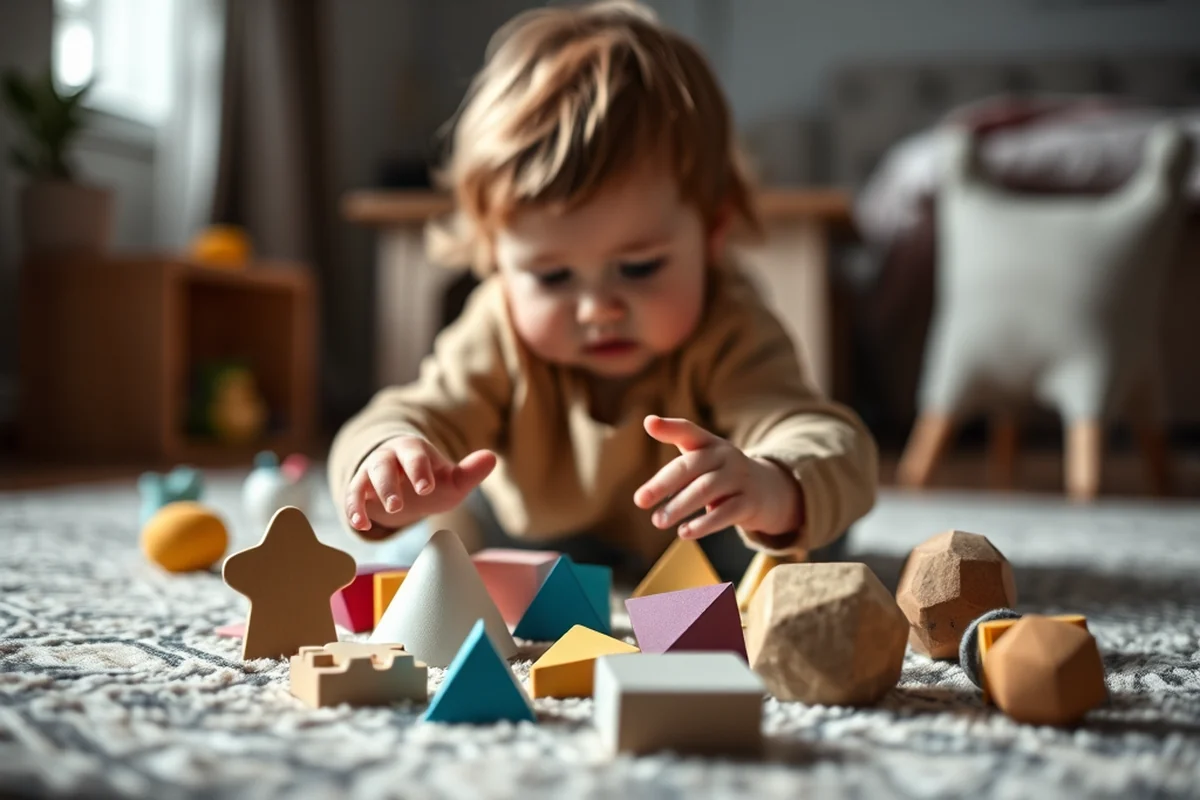
I filled a bin with rice and small plastic animals, and my toddler was immediately captivated. She spent over an hour digging and sorting, and I noticed her fine motor skills improving almost instantly. Sensory bins are one of the best ways to keep a toddler engaged and learning without any complicated setup.
I found that using everyday items—like dried beans, pasta, or sand—can be both affordable and effective. A bin with water and floating toys is another favorite that keeps my toddler entertained for hours.
One day, I added a small scoop and a bowl. She started creating little 'lakes' and 'rivers.' It was a simple bin, but it turned into a full day of imaginative play and problem-solving.
Sensory bins turn simple materials into worlds of discovery.
Sorting and Matching Games: Building Early Skills
I used a box of colorful buttons and a set of small containers to create a sorting game. My toddler loved grouping the buttons by color and size, and I could see her brain working in real time. These games are not only educational but also a great way to bond with your child.
I found that using household items like buttons, beads, and even pasta made the games more accessible. You can play with these for as little as 15 minutes a day and see improvements in your toddler’s cognitive skills.[4]
One day, we used a set of animal toys and sorted them by size. My toddler was so proud when she correctly placed all the animals in order. It was a small victory, but it showed me the power of these simple games.
Sorting doesn’t have to be expensive. Use items like pasta, buttons, or even toy cars to create sorting and matching activities at home.
“I still remember the first time my daughter picked up a pebble from the sidewalk and brought it home, declaring it 'the best treasure in…”— Toddler Museum Exploration editors
Water Play: A Cool Way to Explore
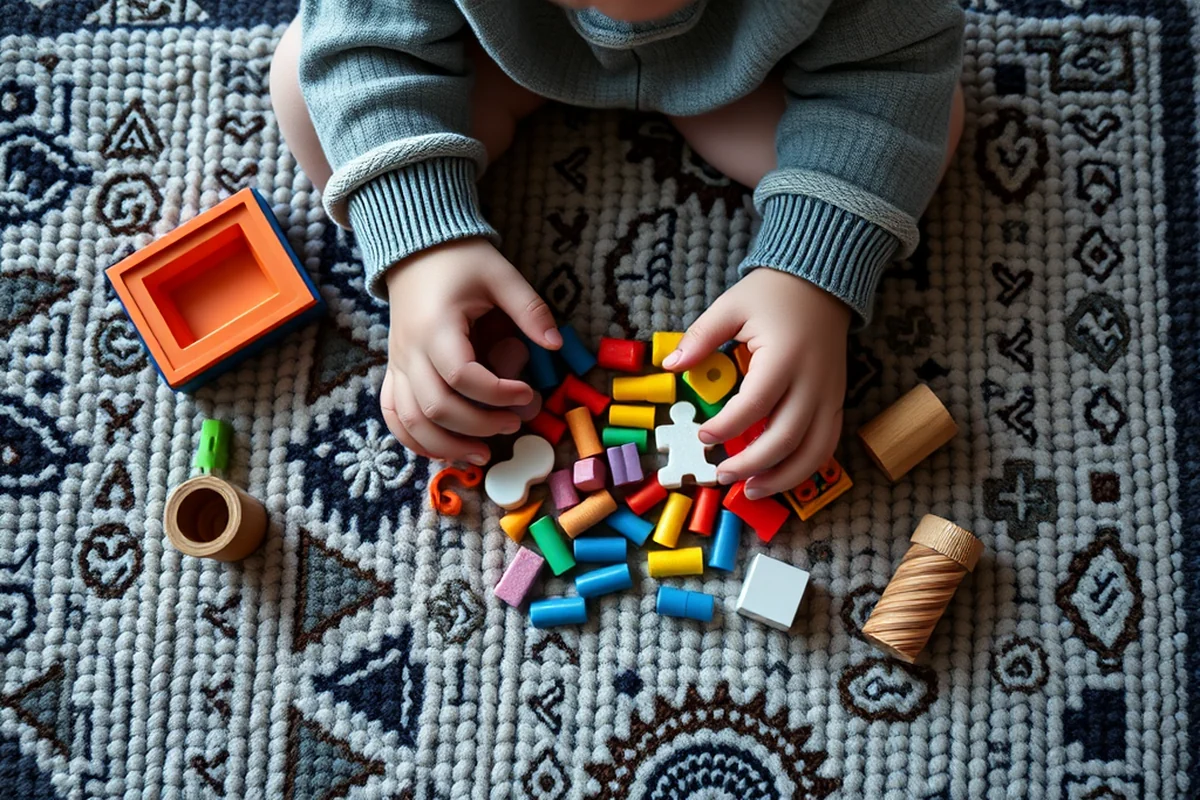
I filled a large container with water and added floating toys. My toddler spent hours watching them bob up and down, and I realized it was a perfect way to introduce concepts like buoyancy and density. Water play is an excellent way to make learning tangible and engaging.
I found that using a small watering can and a sponge added another layer of fun. My toddler loved splashing and pouring, and it was a great way to practice hand-eye coordination.
One day, we used a sieve to separate water and sand. She was amazed to see how the water passed through while the sand stayed behind. It was a simple activity that turned into a mini science lesson.
Simple Art Projects: Expressing Creativity
I used a paper plate and some paint to create a simple art project. My toddler was thrilled to smear colors all over the plate, and I noticed her hand-eye coordination improving. Art projects are a great way to encourage creativity and self-expression.
I found that using washable paints and paper plates or large sheets of paper made cleanup easy. Even a few minutes of drawing or painting can have a lasting impact on your toddler’s confidence and imagination.
One day, we used cotton balls and glue to make clouds on a blue paper. My toddler was so proud of her work that she wanted to hang it on the fridge. It was a small project, but it made a big difference in her self-esteem.
Music and Movement: Exploring Sound and Rhythm
I turned on some simple children’s music and let my toddler move freely. She danced, clapped, and even tried to mimic the sounds. I noticed that she was more engaged and happy than ever before. Music is a powerful tool for communication and development.
I found that using a small drum or a shaker added another layer of fun. My toddler loved making noise and experimenting with rhythm, and it was a great way to encourage coordination and listening skills.
One day, we used a CD player and some toy instruments. She played along with the music and even tried to sing along. It was a simple activity, but it brought a lot of joy and connection.
Music and movement turn a room into a concert hall of learning.
Building and Construction: Exploring Shapes and Structures
I used blocks and stacking toys to create a simple building activity. My toddler loved stacking and knocking things down, and I noticed her problem-solving skills improving as she tried to build higher and taller structures. These activities are both fun and educational.
I found that using household items like cardboard boxes, cups, and even books made the games more accessible. You can play with these for as little as 15 minutes a day and see improvements in your toddler’s cognitive skills.
One day, we used a set of wooden blocks and built a small house. My toddler was so proud when she completed it, and it was a small victory that showed me the power of these simple games.
Exploring with Everyday Objects: Turning the Household into a Learning Lab
I once turned our kitchen into a treasure trove of exploration by placing a small basket of items like spoons, buttons, and empty containers near the table. My toddler would spend up to 30 minutes sorting, stacking, and experimenting with how these objects fit together. This simple setup not only kept her engaged but also helped her develop fine motor skills and early problem-solving abilities. The best part was that it required no extra cost, just a bit of time to organize the space.
To take this a step further, I introduced a ‘mystery bag’ with a variety of textures and shapes. Each day, I would let my toddler feel the items inside without looking, and she would guess what they were. This activity lasted about 15 minutes per session and significantly boosted her vocabulary and sensory recognition. I noticed that after a few weeks, she began using more descriptive language during play and was more confident in identifying objects by touch alone.
Another effective strategy was to use a small laundry basket as a ‘dump and sort’ bin. I would fill it with items like socks, blocks, and small toys and let my toddler dump them out and sort them into categories. This activity took about 20 minutes and helped her learn about grouping, colors, and shapes. I made it a daily routine and saw a noticeable improvement in her ability to categorize objects and follow simple instructions during other parts of the day.
🌼 Gentle Exploration
Ideal for toddlers who need a slow-paced, sensory-rich introduction to exploration. Focus on calm, safe, and low-energy activities.
⚡ Fast-Track Learning
For parents who want to maximize learning in a short amount of time. Use quick, impactful activities that require minimal setup.
✈️ Travel/On-the-Go
Perfect for families on the move. Use portable materials and activities that can be done in public spaces or while traveling.
👶 Exploration with Multiples
Designed for parents with more than one toddler. Activities that can be adapted to different ages and abilities.
🔄 Regression Reset
Helps toddlers who are going through a developmental regression. Use activities that build confidence and rekindle curiosity.
| The mistake | Why it happens | The fix |
|---|---|---|
| Using too many materials at once | This can overwhelm your toddler and make the activity less effective. | Start with a few simple items and gradually introduce more as your toddler becomes more engaged. |
| Forcing the activity | This can lead to resistance and disengagement from your toddler. | Let your toddler lead the activity and follow their interests. If they’re not interested, move on to something else. |
| Ignoring safety | Small objects can be a choking hazard, and some materials may not be safe for young toddlers. | Always check that materials are safe and appropriate for your toddler’s age. Never use items that are small enough to fit in their mouths. |
| Not adapting to your toddler’s mood | Exploration activities should be fun and engaging, not stressful. | Pay attention to your toddler’s mood and adjust the activity accordingly. If they’re tired or upset, take a break and try again later. |
Top Toddler Exploration Activities
Common Questions
What are the best materials for toddler exploration activities?
How long should an exploration activity last?
Can I do these activities with a baby?
What if my toddler gets frustrated during an activity?
References
- 11 Creative Activities for Kids to Spark Fun & Imagination (apeejay.edu)
- Activities for Kids - Bell Museum (bellmuseum.umn.edu)
- Science & Nature Activities for Cooped Up Kids – K-12 Education (birds.cornell.edu)
- 10 household items you can use for play with toddlers (canr.msu.edu)
Cite this guide
Toddler Museum Exploration (2026). Top Toddler Exploration Activities. https://toddlercove.com/top-toddler-exploration-activities/
Feel free to cite or share this guide.