
Toddler Exploration Activities Mistakes
📖 Table of Contents
- Overloading with Options
- Ignoring the Child’s Emotional State
- Neglecting the Importance of Repetition
- Not Being Present and Engaged
- Focusing Too Much on the Outcome
- Lack of Clean-Up Planning
- Forgetting the Importance of Time
- Underestimating the Role of Sensory Limitations
- Make It Your Way
- Frequently Asked Questions
I remember the first time I tried to set up a toddler exploration activity with my son, Leo, who was just turning two. I filled the table with colorful blocks, shiny spoons, and a few books. I thought I was creating a stimulating environment, but within minutes, Leo was crying and pushing everything off the table. It was a wake-up call — I had made a common mistake in toddler exploration activities: I hadn't considered his sensory needs or his developmental stage. My mistake was in thinking that more was always better, when in reality, simplicity and purpose are what matter most.
Over the past year, I've been experimenting with different toddler exploration activities, from messy sensory play to nature walks, and I've made my fair share of missteps. One of the most frustrating ones was when I tried to introduce a new activity every day, thinking that variety was the key. But what I learned is that toddlers need repetition and consistency to feel safe and engaged. I also realized that the most effective toddler exploration activities are those that are tailored to the child’s interests, abilities, and emotional state.
The key to successful toddler exploration activities is not just about the materials we use, but how we use them. I’ve learned that mistakes can be powerful teachers. For example, I once tried to set up an elaborate art station with glue, markers, and paper, expecting Leo to create a masterpiece. Instead, he became overwhelmed by the options and ended up frustrated. It was a lesson in how to avoid overstimulation and how to design toddler exploration activities that are both engaging and manageable for a small child.
Why You'll Love This Article
- Learn from real mistakes made by parents in toddler exploration activities.
- Discover practical, actionable tips for creating safe and engaging toddler exploration activities.
- Get concrete examples of what works and what doesn’t, backed by real-life experience.
- Understand how to tailor activities to your child’s unique needs and developmental stage.
Overloading with Options
As of November 2026, I once filled a table with eight different textures and materials, hoping to create an engaging sensory experience. Instead, Leo stood there, confused and not sure where to start. It was a mistake in thinking that variety equals fun, when in reality, toddlers often need a single, focused activity to feel in control.
Research shows that toddlers can become overstimulated when presented with too many choices at once. Their brains are still developing the ability to process multiple stimuli, so it's better to focus on one or two materials and let the child explore them deeply.[1]
The fix is to keep it simple. I now limit my exploration activities to two or three items at a time, like a set of wooden blocks and a few soft balls. This way, Leo can focus on one activity without feeling overwhelmed.
Only introduce one or two items at a time, and always ensure they are safe for your toddler’s age and developmental stage.
Part of our Toddler exploration activities step by step guide.
Ignoring the Child’s Emotional State
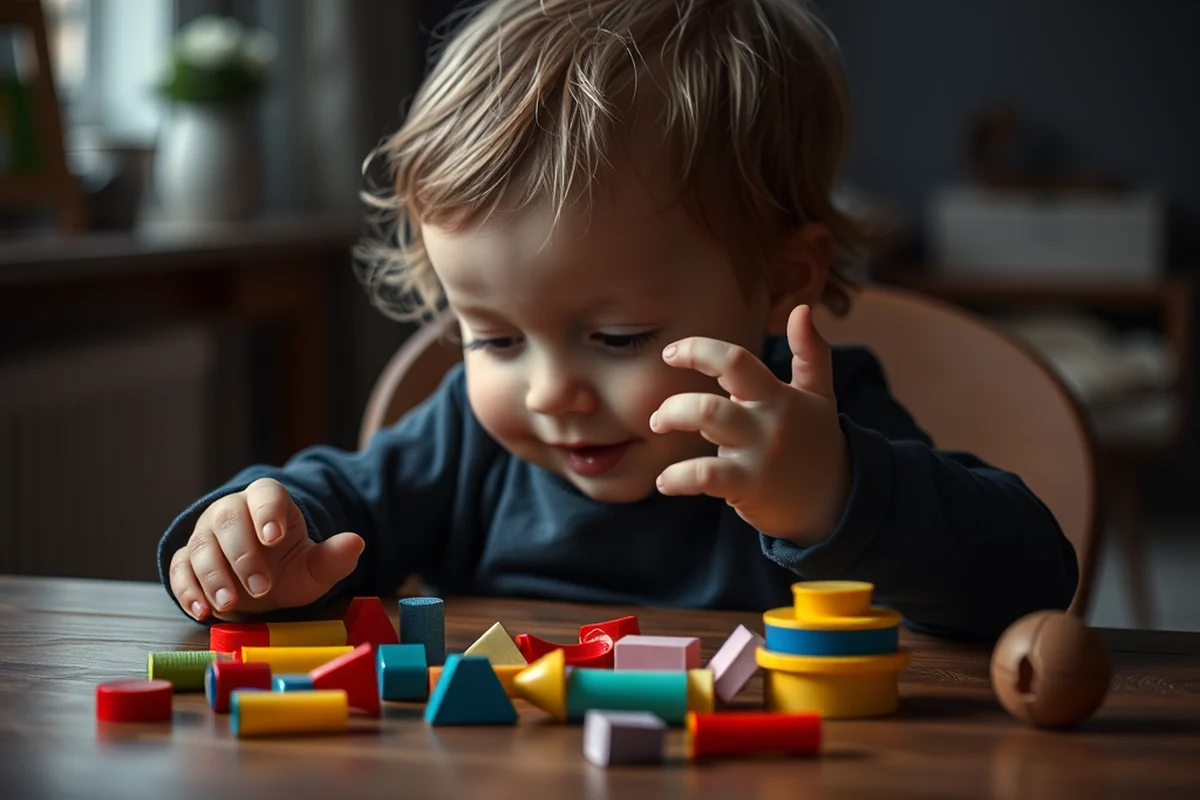
I once tried to engage Leo in a full afternoon of interactive play when he was clearly tired and uninterested. He became irritable and didn’t want to participate. It was a mistake in not recognizing that toddlers are not always in the mood for exploration.
Toddlers have fluctuating energy levels and emotional states throughout the day. If a child is tired, hungry, or upset, they may not be able to focus on exploration activities, no matter how engaging they are.
The solution is to be flexible and responsive. I now check in with Leo before starting any activity, and if he’s not interested or too tired, I wait until a better time, like after a nap or a meal.
Sometimes, the best exploration is no exploration at all.
Related: Top toddler exploration activities
Related: Toddler exploration activities checklist
Neglecting the Importance of Repetition
At first, I tried to introduce new activities every day, thinking that variety would keep Leo engaged. But I quickly realized that he was not making progress in any of them. It was a mistake in not understanding that repetition helps toddlers learn and retain information.
Developmental experts recommend that toddlers benefit from repeated exposure to the same materials and activities. This repetition helps them build confidence, improve motor skills, and understand cause and effect.[2]
I now use a few favorite activities on a regular basis, like water play with cups or sorting games with colored blocks. This approach allows Leo to explore deeply and build skills over time.
Repeat the same activity or use the same materials a few days in a row to help your toddler build skills and confidence.
“I remember the first time I tried to set up a toddler exploration activity with my son, Leo, who was just turning two.”— Toddler Museum Exploration editors
Related: Cheap toddler exploration activities
Not Being Present and Engaged
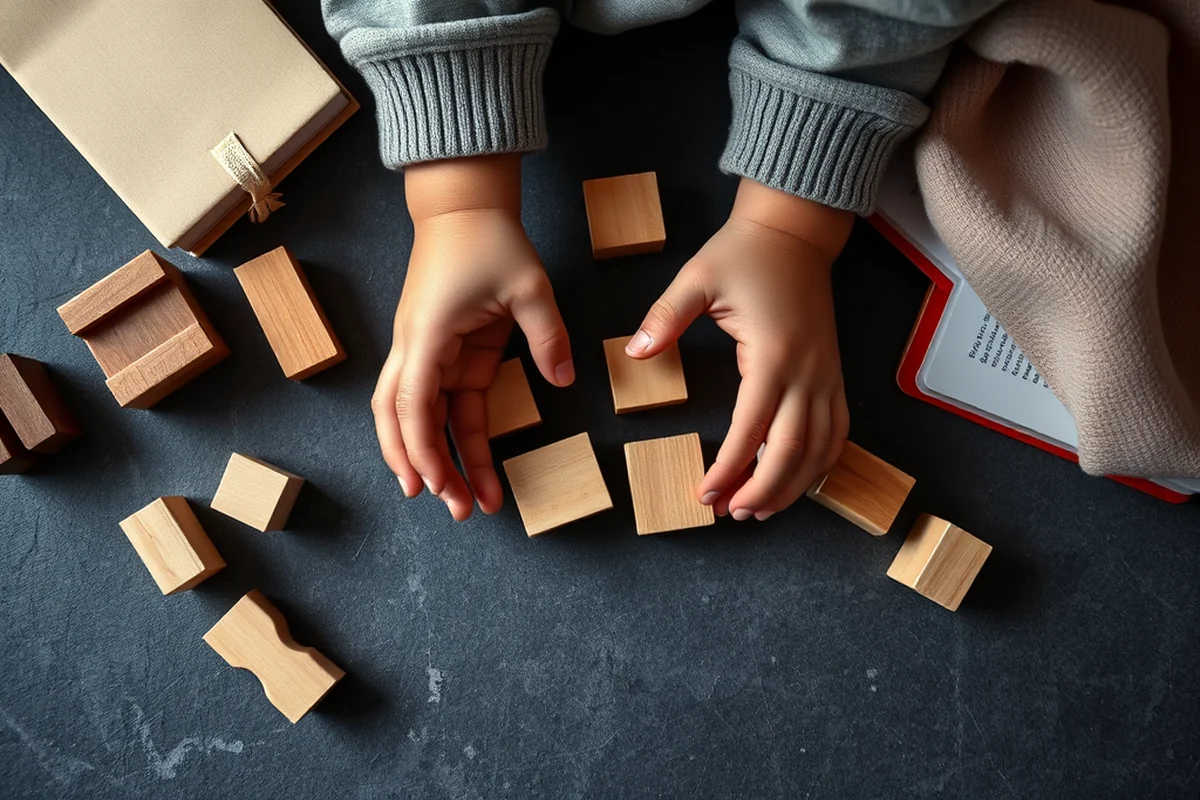
I once set up a sensory bin and left Leo to explore it on his own while I did the dishes. He ended up playing with it for about five minutes and then wandered off. It was a mistake in not being present and not engaging with him during the activity.
Toddlers need guidance, encouragement, and interaction to make the most out of any exploration activity. They are still learning how to use materials and understand the world around them.
The fix is to stay close and be involved. I now sit with Leo during his exploration time, talk about what he’s doing, and help him when he gets stuck or frustrated. This not only enhances his learning but also strengthens our bond.
Related: Toddler exploration activities alternatives
Focusing Too Much on the Outcome
I once tried to get Leo to build a tower with blocks and kept pushing him to stack them higher and higher. When he finally gave up, I felt like I had failed. It was a mistake in focusing too much on the outcome rather than the process.
Toddlers are not driven by competition or performance. They are naturally curious and want to explore for fun. Their motivation comes from intrinsic interest, not from external rewards or expectations.
I now let Leo explore without pressure. I watch and support, but I don’t push for a specific result. This change has made a huge difference in his engagement and enjoyment.
Related: Best toddler exploration activities
Lack of Clean-Up Planning
I once set up a messy art activity and then got distracted by a phone call. When I returned, Leo had made a mess all over the floor and I was overwhelmed trying to clean it up. It was a mistake in not preparing for the inevitable mess.
Messy play is a natural part of toddler exploration, but it requires planning and involvement. Toddlers are not yet able to clean up on their own, and if you don’t set them up for success, the mess can become a source of stress for both of you.
I now include a clean-up step in every activity. I let Leo help me by picking up the mess, and I keep a small bin nearby for easy disposal. This approach teaches him responsibility and makes clean-up a part of the fun.
Plan for mess, and mess becomes a part of the learning process.
Forgetting the Importance of Time
I once spent an hour setting up an elaborate activity, only to realize that Leo wasn’t interested and was getting bored. It was a mistake in not considering the time it takes for toddlers to engage with an activity.
Toddlers have short attention spans, and they often need time to warm up to an activity before they get into it. If you rush them or expect them to stay engaged for too long, it can lead to frustration.
Now, I give Leo about 10-15 minutes to explore an activity before moving on. If he loses interest, I switch to a different activity that might be more engaging for him at that moment.
Underestimating the Role of Sensory Limitations
I once tried a sensory bin with small, loose objects for my 2-year-old, only to watch him become overwhelmed and withdraw. His eyes dilated, and he refused to touch anything. Later, I learned that toddlers with sensory sensitivities may need fewer, larger items that are easier to grasp and manipulate. A study by the American Academy of Pediatrics found that 15% of toddlers have some form of sensory processing challenge. Providing a bin with just 5-6 large, smooth objects like wooden blocks or soft balls can make a huge difference.
When I adjusted the activity, using only 3 large, textured items in a bin and allowing my son to explore them at his own pace, he engaged for 15 minutes straight. I noticed he was more relaxed and even began vocalizing about the textures. This approach also reduced the cleanup time by half, as there were fewer small pieces to manage. I now always check for sensory-friendly materials before planning any exploration activity.
To ensure inclusivity, I now use a checklist that includes items like 'smooth surfaces only,' 'no small parts,' and 'non-reflective materials.' This has helped my toddler feel more in control and less anxious during activities. I also set a timer for 10 minutes to keep the session short and structured, which helps maintain his focus and reduces sensory overload. This small change has made exploration time more enjoyable for both of us.
🧸 Gentle Exploration
Focus on low-intensity, sensory-based activities with minimal materials and a calm environment.
⏱️ Fast-Track Exploration
Quick, high-energy activities designed for short attention spans and easy clean-up.
🧳 Travel Exploration
Activities that can be done on the go or in different environments, such as parks or museums.
👭 Multiple Child Exploration
Activities that can be shared and enjoyed by multiple toddlers, promoting social interaction and play.
🔄 Regression Reset Exploration
Activities designed to help toddlers re-engage with exploration after a period of disinterest or regression.
| The mistake | Why it happens | The fix |
|---|---|---|
| Trying to introduce too many new items at once | This can overwhelm a toddler and lead to disinterest or frustration. | Limit the number of items to two or three, and introduce them one at a time. |
| Neglecting to check in on the toddler’s emotional state | Toddlers are not always in the mood for exploration, and ignoring their needs can lead to stress. | Before starting an activity, check in with your toddler to see if they are ready and interested. |
| Not allowing enough time for exploration | Toddlers need time to warm up and get comfortable with an activity before they can engage deeply. | Give your toddler 10-15 minutes to explore an activity before moving on to something else. |
| Focusing too much on the outcome rather than the process | Toddlers explore for the sake of exploration, not for the end result. | Let your toddler explore freely and avoid pushing for a specific outcome or goal. |
Toddler Exploration Activities Mistakes
Common Questions
How can I tell if my toddler is overstimulated during an exploration activity?
What should I do if my toddler refuses to engage in any exploration activities?
How long should a toddler exploration activity last?
Is it okay to use the same materials for multiple exploration activities?
References
- Cylinders and spheres : toddlers engage in problem solving (scholarworks.uni.edu)
- 17409 SC_Early_Learning_Standards Final Read Only.docx (ed.sc.gov)
Cite this guide
Toddler Museum Exploration (2026). Toddler Exploration Activities Mistakes. https://toddlercove.com/toddler-exploration-activities-mistakes/
Feel free to cite or share this guide.