
National Building Museum
📖 Table of Contents
I remember the day my 3-year-old daughter asked, 'Why do buildings look different in every city?' It was on a rainy afternoon in Washington, D.C.. We happened to stumble into the National Building Museum, a place that turned her curiosity into a full-fledged obsession. The museum is more than just a destination—it’s a sensory playground for toddlers and parents alike, where every corner invites exploration and learning. I left with a new appreciation for architecture, and a toddler who could identify a dome from a pyramid.[3]
The National Building Museum isn’t just about buildings; it’s about the people who design them, the materials they use, and the way these structures connect us to our history and communities. My daughter and I spent hours in the 'House and Home' exhibit, where she learned to stack blocks like real builders and even pretended to be a carpenter using pretend tools. It was a moment that felt like magic, and I could see her brain lighting up with every new idea.[4]
What stood out most was the balance of hands-on learning and structured exhibits. The museum is designed with toddlers in mind, and it shows in the way the displays are interactive and the staff are attentive. We spent three hours there, and every minute was filled with discovery. I can’t recommend this place enough—it’s a must-visit for any family looking to spark a love of learning through play.[1]
Why You'll Love This Museum Experience
- Interactive exhibits that engage toddlers with hands-on learning.
- A unique blend of creativity and history that sparks curiosity.
- A safe, welcoming environment designed for young children.
- Opportunities for parents and kids to bond over shared discovery.
What to Expect on Your First Visit
As of September 2026, on our first visit, we arrived just after opening and were immediately struck by the museum’s welcoming atmosphere. The lobby had a giant model of a city that kids could walk through, and my daughter instantly wanted to explore it. The staff greeted us with warm smiles and offered tips on which exhibits were best for toddlers.
One of the most popular exhibits for my daughter was the 'Block City' area, where she could build her own miniature city using oversized blocks and wooden pieces. It was fascinating to watch her mimic the actions of real construction workers and ask questions about what materials were used in different parts of a building.
The museum also has a 'Designing a Home' exhibit that allows toddlers to play with scale models of furniture and rooms. My daughter loved arranging the 'furniture' and even pretended to be a real interior designer. This kind of immersive play is exactly what makes the museum so special.
The museum doesn’t have a dedicated snack area, so it’s a good idea to bring a few treats for your toddler to keep them energized throughout the visit.
Part of our Indoor museums for toddlers guide.
The Magic of Hands-On Learning
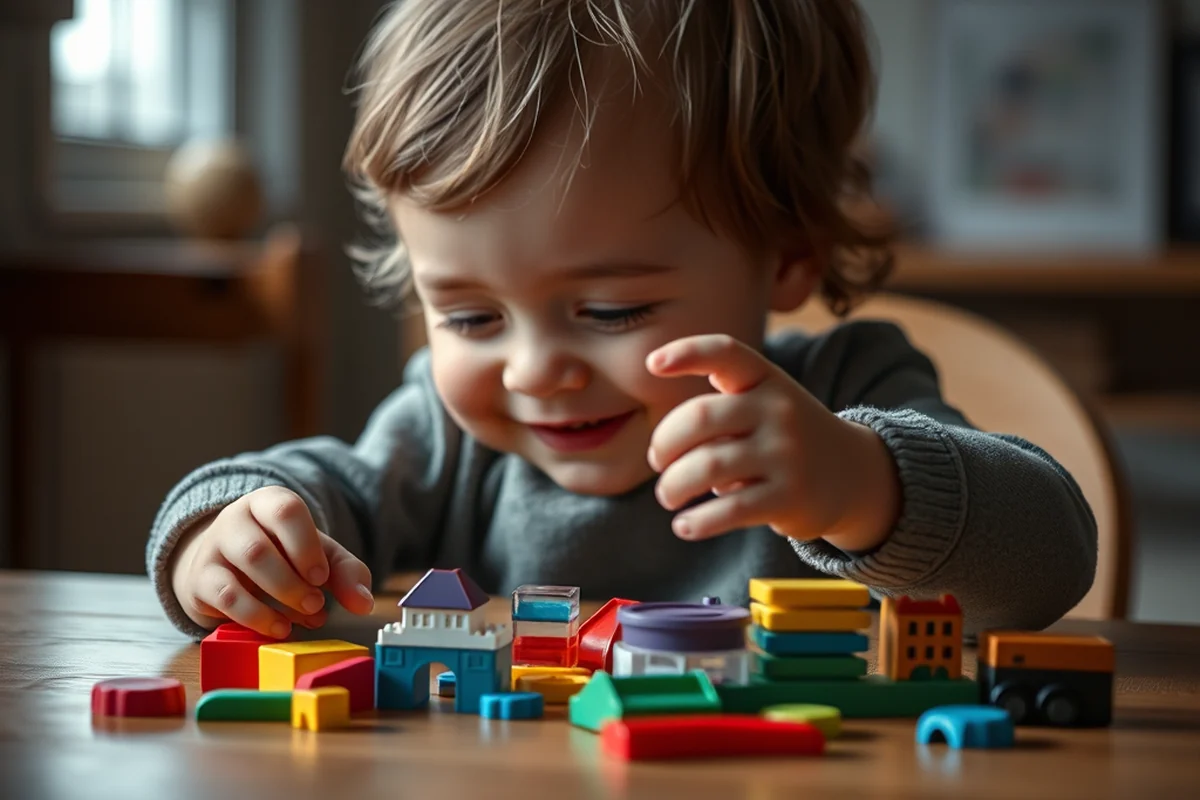
The hands-on exhibits at the National Building Museum are what truly set it apart. My daughter was able to touch and feel different materials like brick, wood. Concrete, which helped her understand the textures and properties of these materials in a way that books couldn’t have conveyed.
One of the most memorable moments was when she participated in a 'Build a Bridge' exhibit, where she and her friends used wooden planks and connectors to create their own bridges. She was excited to test the strength of each bridge and even asked me questions about engineering and physics.
These interactive elements not only make learning fun but also help toddlers develop fine motor skills and problem-solving abilities. It was a revelation to see how much my daughter was learning just by playing.
Learning through play is the best kind of learning.
Related: Mutter museum philadelphia
A Safe and Welcoming Environment
From the moment we walked in, it was clear that the National Building Museum prioritizes the safety and comfort of its youngest visitors. The floors are padded, the exhibits are child-friendly, and the staff is trained to handle toddlers with care.
We noticed that the museum had dedicated play areas where kids could run around and burn off some energy, which was especially helpful during our visit. The staff also had a system in place to help parents find lost children, which gave me a great sense of security.
The museum also provides baby-changing stations and nursing areas, which are thoughtful touches for parents with infants. It was evident that the museum had considered every detail to create a welcoming environment for families.
Before visiting, check the museum’s website for information on accessibility features, as the museum is designed to accommodate children with different needs.
“I remember the day my 3-year-old daughter asked, 'Why do buildings look different in every city?' It was on a rainy afternoon in Washington, D.C.…”— Toddler Museum Exploration editors
Related: Cincinnati children s museum
The Educational Value of the Museum
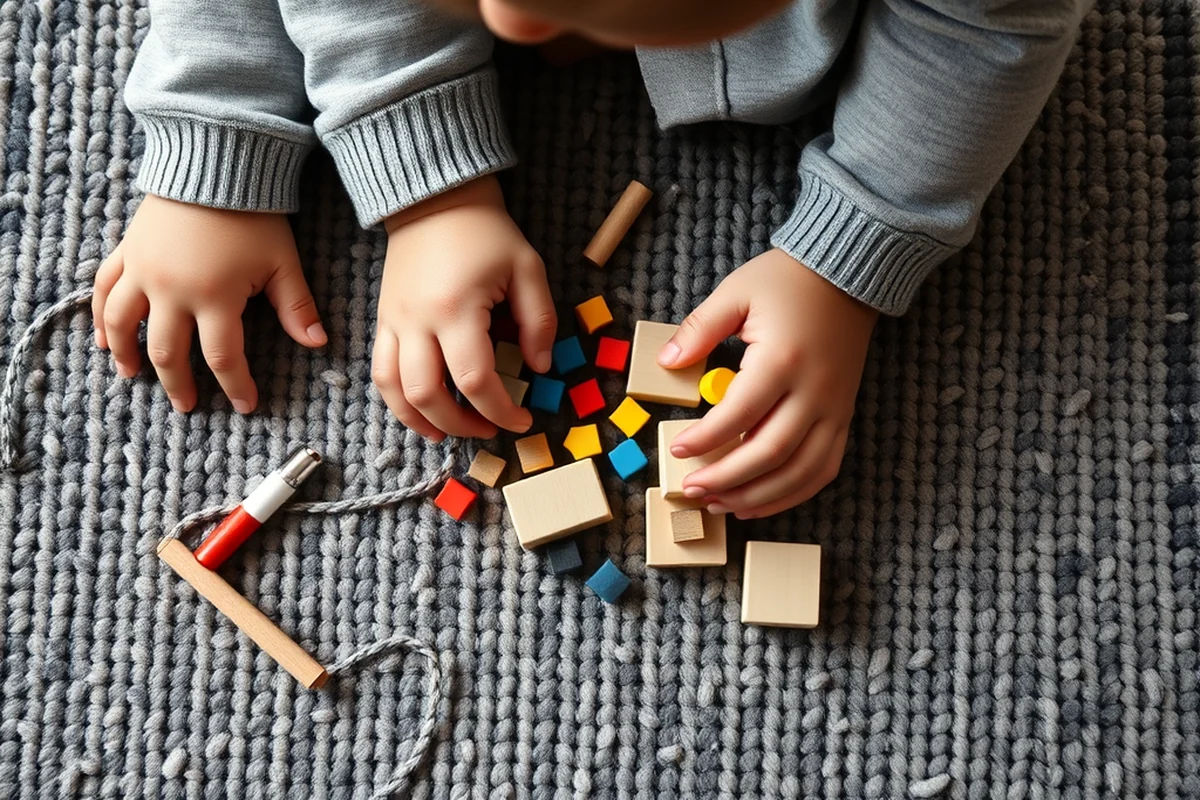
I was surprised by how much my daughter learned during our visit. She began to recognize different types of buildings and even asked questions about how they are made. The museum’s exhibits are designed to be educational, and they do a great job of making complex concepts accessible to young children.
One of the most informative exhibits was the 'History of Architecture' display, which showed how buildings have changed over time. My daughter was fascinated by the images of ancient pyramids and modern skyscrapers, and she asked me a lot of questions about how they were built.
The museum also offers guided tours for families, which my daughter loved. The guides were knowledgeable and used simple language that my daughter could understand. It was amazing to see her so engaged and curious about the world around her.
Related: National building museum dc
The Social Aspect of Museum Visits
One of the things I loved most about our visit was the opportunity for my daughter to interact with other children. She met a few toddlers who were also exploring the exhibits, and they quickly became friends. It was heartwarming to see them play together and share their discoveries.
The museum’s design encourages social interaction, with many exhibits that allow multiple children to participate at the same time. My daughter and her new friend worked together on a building project, and it was a joy to watch them collaborate and learn from each other.
These social interactions are an important part of a toddler’s development, and the museum provides a safe and stimulating environment for them to grow and learn together.
Related: The academy museum of motion pictures tickets
The Role of Parents in the Museum Experience
As a parent, I found that my involvement made a big difference in how my daughter engaged with the exhibits. I would ask her questions about what she was seeing and encourage her to explore new areas. It helped her think critically and develop a deeper understanding of the exhibits.
I also found that explaining the exhibits in simple terms helped my daughter grasp the concepts better. For example, when we visited the 'House and Home' exhibit, I explained how different rooms in a house have different purposes, which made the experience more meaningful for her.
Being present and involved is one of the best ways to maximize the museum experience. It’s a chance to bond with your child and create lasting memories while also helping them learn.
Your presence is the best toy for your toddler.
Related: Air and space museum
Making the Most of Your Visit
To make the most of your visit, I recommend arriving early to avoid crowds and to take full advantage of the exhibits. We found that the museum was less crowded in the morning, and we had more space to explore.[2]
Another tip is to check the museum’s website for a map of the exhibits, so you can plan your visit in advance. This helped us prioritize the exhibits that interested us the most and avoid any areas that might not be suitable for young children.
Lastly, don’t forget to take breaks and have a snack. The museum is a big space, and it’s easy to get tired, especially with young children. Taking a moment to rest and recharge can make the visit more enjoyable for everyone.
👣 Gentle Exploration
A relaxed approach where you take your time to explore each exhibit at your own pace.
⏱️ Fast-Track Visit
A quick, focused visit that covers the most popular exhibits in a short amount of time.
✈️ Travel/away-from-home
A fun way to explore the museum on a trip, with an emphasis on making the most of the experience.
👯♀️ Multiples
A great option for families with multiple children, offering a variety of activities for all ages.
🔄 Regression Reset
A way to re-engage children who may be feeling overwhelmed or disinterested in the museum.
| The mistake | Why it happens | The fix |
|---|---|---|
| Not checking the museum schedule ahead of time. | The museum has limited hours and can be closed on certain days, so it’s important to check the schedule in advance to avoid disappointment. | Always check the museum’s website or contact them directly for the most up-to-date information on hours and events. |
| Trying to see everything in one day. | The museum is large and has many exhibits, so trying to see everything in one day can be overwhelming for both parents and children. | Plan your visit in advance and prioritize the exhibits that interest you the most. It’s better to have a focused visit than to rush through everything. |
| Not bringing enough supplies for your toddler. | The museum doesn’t have a dedicated snack area, so it’s easy to forget to bring food and drinks for your toddler. | Always bring a snack and a bottle of water for your toddler to keep them energized throughout the visit. |
| Overlooking the educational value of the museum. | It’s easy to get lost in the fun of the exhibits and forget that the museum also offers a valuable educational experience. | Make an effort to engage with your child during the visit, asking questions and explaining what you see. This will help reinforce the learning experience. |
National Building Museum
Common Questions
Are there any age restrictions for visiting the museum?
How long should we plan to stay at the museum?
Are there any special events or programs for toddlers?
Is the museum wheelchair accessible?
References
- U.S. Access Board Commends Smithsonian National Museum of ... (access-board.gov)
- The Smithsonian Institute: What's Worth the Wait and What's Not that ... (aglifesciences.tamu.edu)
- Private Tour: The Landscape Architecture of Lawrence Halprin. (alumni.upenn.edu)
- Eero Saarinen: Shaping the Future | Yale University Art Gallery (artgallery.yale.edu)
Cite this guide
Toddler Museum Exploration (2026). National Building Museum. https://toddlercove.com/national-building-museum/
Feel free to cite or share this guide.