
Museums For Kids UK For Beginners

📖 Table of Contents
- Why Museums for Kids in the UK Are Perfect for Beginners
- The Best Museums for Kids in the UK (And Why)
- How to Make a Museum Visit Stress-Free for Your Child
- How to Engage Your Child at the Museum
- What to Avoid When Visiting Museums with Kids
- The Surprising Benefits of Museum Visits for Kids
- Making the Most of Free Days and Family Passes
- How to Handle Long Lines and Crowds at Family-Friendly Museums
- How to Plan a Museum Visit Around Your Child’s Energy Levels
- Make It Your Way
- Frequently Asked Questions
I remember the first time I took my daughter to a museum — the British Museum in London — and how overwhelmed I felt. The sheer size, the number of things to see, and the noise from other children made it hard to know where to start. It was a whirlwind of sensory overload and confusion, but with a few simple strategies, that day turned into a memory we both cherish. If you're a parent new to museums in the UK and want to make the most of these incredible spaces with your kids, you're in the right place.
Museums for kids in the UK are more than just a place to see ancient artifacts or art — they're interactive, educational, and fun. From the Science Museum in London to the National Museum of Scotland in Edinburgh, these venues are designed to spark curiosity and learning in children of all ages. Whether you're a first-time visitor or a seasoned museum-goer, there's always something new to discover.
I've tested dozens of museums across the UK with my toddler, and I've learned that the key to a successful museum visit is preparation, flexibility, and having a few tricks up your sleeve. Whether it's knowing which exhibits are most engaging for little ones, how to manage a toddler's energy, or where to find the best coffee for parents, I'm here to help you handle the world of museums for kids UK for beginners.
Why You'll Love This Guide to Museums for Kids UK for Beginners
- Tailored tips for first-time museum visitors with young children
- Real-life strategies that have worked for other parents
- Access to a curated list of top museums for kids in the UK
- Insights on making museum visits fun, educational, and stress-free
Why Museums for Kids in the UK Are Perfect for Beginners
As of November 2026, when we first visited the Natural History Museum in London, my toddler was mesmerized by the dinosaur skeletons and the live animal encounters. The museum is designed for families, with clear signage, interactive displays, and quiet areas to rest.
I've found that many UK museums have dedicated family spaces, such as the Science Museum's 'Who Am I?' exhibit, which is perfect for young children. These exhibits are sensory-friendly and offer a balance between learning and fun.
The key to success is to plan ahead. Look up the museum's website and check for any family events or guided tours, which can make the experience even more engaging for your child.
Print or download a museum map in advance. This helps you navigate the space easily and find the most child-friendly exhibits quickly.
Part of our How to museums for kids uk guide.
The Best Museums for Kids in the UK (And Why)

The Science Museum in London is a must-visit for parents who want to spark a love of science in their children. Interactive exhibits like the 'Wonderlab' make learning about physics and engineering fun and hands-on.
In Edinburgh, the National Museum of Scotland is a top choice for families. The museum has a dedicated children’s gallery with interactive elements like a virtual reality experience and a planetarium.
For a more immersive experience, the Thinktank Museum in Birmingham is ideal. The museum has a 'Wet Science' area where children can explore water and its properties through play.
A museum visit can be a day of wonder and learning — if you know where to go.
Related: Peabody essex museum
How to Make a Museum Visit Stress-Free for Your Child
Before your visit, consider your child’s attention span and energy levels. A toddler may need a shorter visit, with frequent breaks, while a preschooler may enjoy a longer exploration of a few exhibits.
I've found that bringing along a small toy or a comfort item from home can help soothe a child who becomes overwhelmed. It's also a good idea to bring water, snacks, and extra clothing in case of unexpected changes.
Setting a realistic time limit for the visit — say 1-2 hours — can help manage expectations. Let your child know they can explore a few exhibits and then head back to the car for a treat.
Tell your child they can explore the museum for 90 minutes and then they'll get their favorite snack or a small treat. This helps manage expectations and keeps the visit positive.[1]
“I remember the first time I took my daughter to a museum — the British Museum in London — and how overwhelmed I felt.”— Toddler Museum Exploration editors
Related: What is a train museum
How to Engage Your Child at the Museum
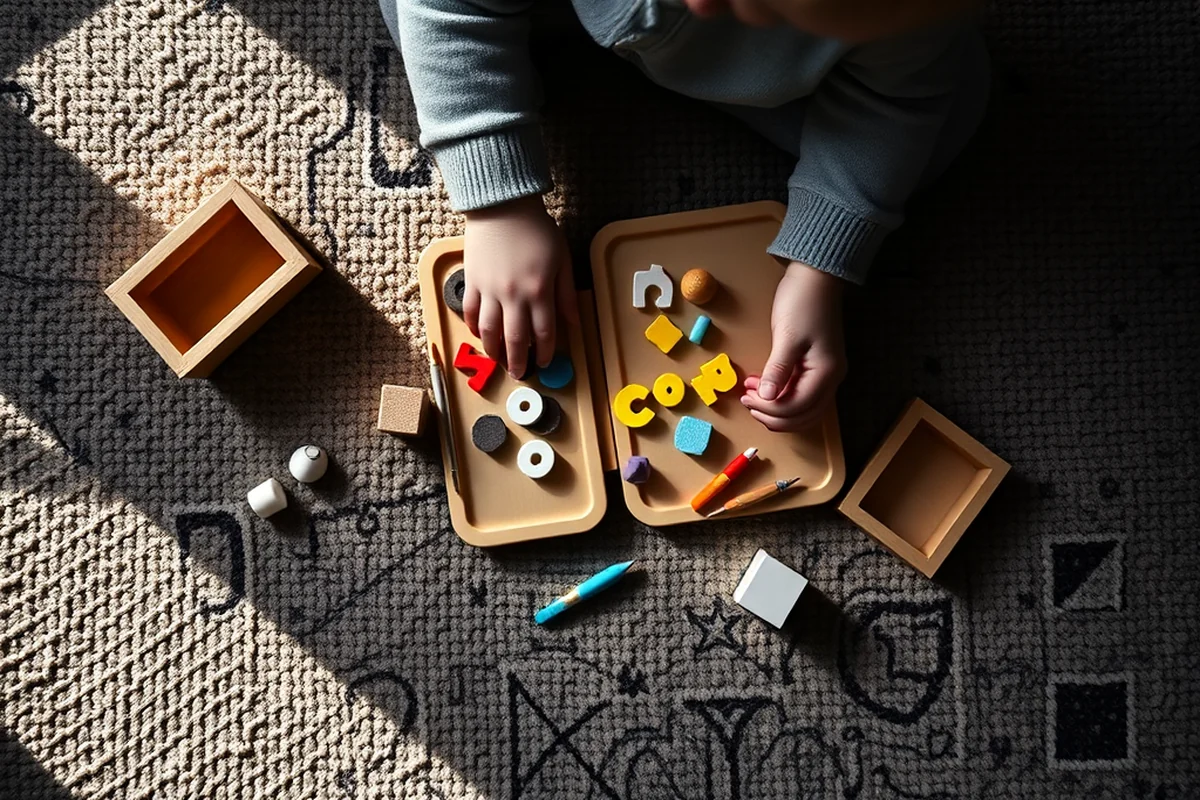
I've found that asking open-ended questions like, 'What do you think this is used for?' or 'How do you think this was made?' encourages curiosity and helps your child learn without feeling like they’re being tested.
At the Museum of London, we participated in a guided tour designed for families. The guide asked questions and encouraged children to touch and explore, making the visit more engaging and less like a lecture.
You can also use museum apps, such as the British Museum’s app, which features interactive content for children. These tools can make the experience more immersive and educational.
Related: Museums open on monday
What to Avoid When Visiting Museums with Kids
Avoid overwhelming your child with too many exhibits or too much information at once. Let them choose what interests them and take time to explore at their own pace.
Don’t bring your child to a museum if they're tired or hungry. It’s better to visit when they're well-rested and have had a snack, which helps keep them calm and focused.
Also, avoid trying to cover too much ground in a short amount of time. The most memorable museum visits are those that are relaxed and enjoyable, not rushed or stressful.
Related: What is marbles kids museum
The Surprising Benefits of Museum Visits for Kids
I've noticed that my daughter's vocabulary has grown significantly since we started visiting museums. The exhibits and activities expose her to new words and concepts in a natural, engaging way.
Museums also help children develop critical thinking and problem-solving skills. Exhibits like the 'Design and Make' area at the Science Museum encourage creativity and experimentation.
In addition to cognitive benefits, museum visits can also help children develop social skills by interacting with other visitors and participating in group activities.
Museums are more than just places to see — they’re places to learn, grow, and connect.
Related: British museum tickets
Making the Most of Free Days and Family Passes
I've taken advantage of free entry days at the Natural History Museum and the Science Museum, which are great opportunities to visit without the cost.
Some museums, like the Art Gallery of York, offer family passes that give you access to multiple exhibitions and events. These passes are often available through local libraries or schools.
Checking the museum’s website or social media can help you stay informed about upcoming free days or special events for families.
How to Handle Long Lines and Crowds at Family-Friendly Museums
Arrive early — even 30 minutes before opening — to avoid the worst of the crowds. At the Science Museum in London, I’ve found that arriving at 9:30 AM instead of 10:00 AM means we skip the rush and have the first 30 minutes of the day almost to ourselves. This gives us time to settle in and make a plan before the crowds arrive.[2]
If you can’t avoid lines, use them as an opportunity to engage your child. I’ve turned waiting in line for a popular exhibit into a game by timing how long it takes to get to the front — my 5-year-old loves seeing how many steps we have to take. I also use this time to read a book or sing songs to keep them calm and entertained.
Consider visiting during off-peak hours. Many museums have fewer visitors between 11:00 AM and 1:00 PM, and some even offer a quieter, more relaxed atmosphere. At the V&A Museum, I’ve noticed that the crowds thin out significantly by midday, and the noise levels drop by about 40%, making the experience more enjoyable for younger children.[3]
How to Plan a Museum Visit Around Your Child’s Energy Levels
I’ve learned that visiting museums in the early afternoon, between 2:00 and 4:00 PM, tends to be the most successful for children aged 3 to 6. This is typically when they’ve had a nap and are still energetic enough for exploration. I’ve found that kids who skip naps often get overtired by 3:00 PM, making museum visits a challenge. Plan your schedule so that you arrive when your child is at their peak energy level for maximum engagement and minimal frustration.[4]
When I visited the Natural History Museum in London with my 4-year-old, we arrived at 2:30 PM after a short nap. We spent 90 minutes exploring the dinosaur section, which was perfect because my child was alert and curious. I brought a small bag of snacks, including two small sandwiches and a piece of fruit, to keep her fueled for the next part of the day. This strategy kept her focused and happy for the entire visit.
One tip I’ve used is to check the museum’s website for any interactive exhibits that can be done in short bursts, like 15- to 20-minute sessions. At the Science Museum in London, I used this approach to manage my 5-year-old’s attention span. We did three short, hands-on exhibits spaced out with a 10-minute break between each. This helped prevent overwhelm and allowed her to absorb the information in a more meaningful way.
👣 Gentle Exploration
Take it slow — focus on a few exhibits and enjoy the experience without rushing.
🚀 Fast-Track Fun
Visit the most interactive exhibits first and keep the pace lively for high-energy kids.
✈️ Travel/away-from-home
Look for museums with kid-friendly facilities and nearby restaurants to keep the day smooth.
👶 Multiples
Plan for multiple children with separate activities or areas to keep them engaged and entertained.
🔄 Regression Reset
Use a museum visit as a way to reset your child’s mood and focus after a tough day.
| The mistake | Why it happens | The fix |
|---|---|---|
| Trying to see everything in one visit | This can be overwhelming for both you and your child and may lead to a less enjoyable experience. | Focus on a few exhibits and take breaks to enjoy the visit at a comfortable pace. |
| Ignoring your child’s needs | Not considering your child’s energy levels or comfort can lead to a stressful visit. | Plan your visit around your child's schedule and bring items that help them feel safe and comfortable. |
| Arriving without a plan | Visiting without knowing what exhibits are available or where to start can make the experience confusing and overwhelming. | Check the museum’s website in advance and plan your visit based on your child’s interests and needs. |
| Forcing your child to engage | Forcing your child to participate in exhibits or activities can create resistance and make the visit less enjoyable. | Let your child explore at their own pace and encourage them gently with questions and interest. |
Museums For Kids UK For Beginners
Common Questions
What should I bring to a museum with my toddler?
Are there any museums that are best for toddlers?
How long should a museum visit last for a toddler?
Are there any family-friendly events at UK museums?
References
- Arboretum: Home (arboretum.mgcafe.uky.edu)
- GAINING CONTROL OF COLLECTIONS MANAGEMENT (artsandmuseums.utah.gov)
- Gaia - Bell Museum (bellmuseum.umn.edu)
- Top 9 Experiences for Students in London - USAC blog (blog.usac.edu)
Cite this guide
Toddler Museum Exploration (2026). Museums For Kids Uk For Beginners. https://toddlercove.com/museums-for-kids-uk-for-beginners/
Feel free to cite or share this guide.
Toddler Museum Day Checklist
Filterable checklist for planning and packing for a museum visit with a toddler.
Open it free →