
Types Of Toddler Museum Queens

📖 Table of Contents
I remember the first time my daughter walked into a toddler museum and immediately claimed a corner as her own. She wasn't just exploring — she was declaring her territory. I call that moment the birth of her first 'museum queen' identity. Every toddler museum has its own set of 'queens' — kids who seem to naturally gravitate toward leadership, creativity, and discovery in these spaces. Understanding the different types of toddler museum queens can help parents navigate these environments with more confidence and intention.
As a parent who's spent over 100 hours in toddler museums across the country, I've noticed that these queens often fall into distinct categories. Some are the curious explorers who wander from exhibit to exhibit, asking a million questions. Others are the creative builders who spend hours constructing elaborate forts or art installations. There's even a type who thrives on social interaction, making new friends and leading group activities. Each of these types brings a unique energy to the museum, and knowing what to expect can help parents prepare better.[1]
I've also learned that the right approach varies depending on the type of queen your child is. If your child is the quiet observer, you might need to encourage interaction gently. If they're the leader of the pack, you might want to give them space to guide others. The goal isn't to control their experience. To support it — and I've found that understanding the different types of toddler museum queens can make all the difference in how we connect with our children during these visits.
Why You'll Love This Approach to Toddler Museum Queens
- Discover the unique behaviors and strengths of different types of toddler museum queens.
- Gain practical strategies to support and engage your child in these spaces.
- Learn how to foster confidence and curiosity in your child through museum visits.
- Connect with other parents who understand the joy and challenges of toddler museum experiences.
The Curious Explorer Type
As of November 2026, I once watched my daughter spend 45 minutes just observing the water table, dipping her hands in and out of the water, asking me questions like 'Why does the water go up and down?' and 'What happens if I pour it into the bucket?' These kids are driven by curiosity. Their energy is infectious.[2]
They often don't sit still for long and can become easily distracted, but they're the ones who make the most of the museum's interactive elements. I've found that giving them space to roam and ask questions is key to keeping them engaged.
A tip I've used is to have a small notebook and pen on hand to record their questions — it helps them feel heard and encourages them to keep exploring.
Carry a small notebook and pen with you to write down your child's questions and discoveries. This helps them feel heard and keeps them engaged in the experience.
Part of our Toddler museum queens at home guide.
The Creative Builder Type
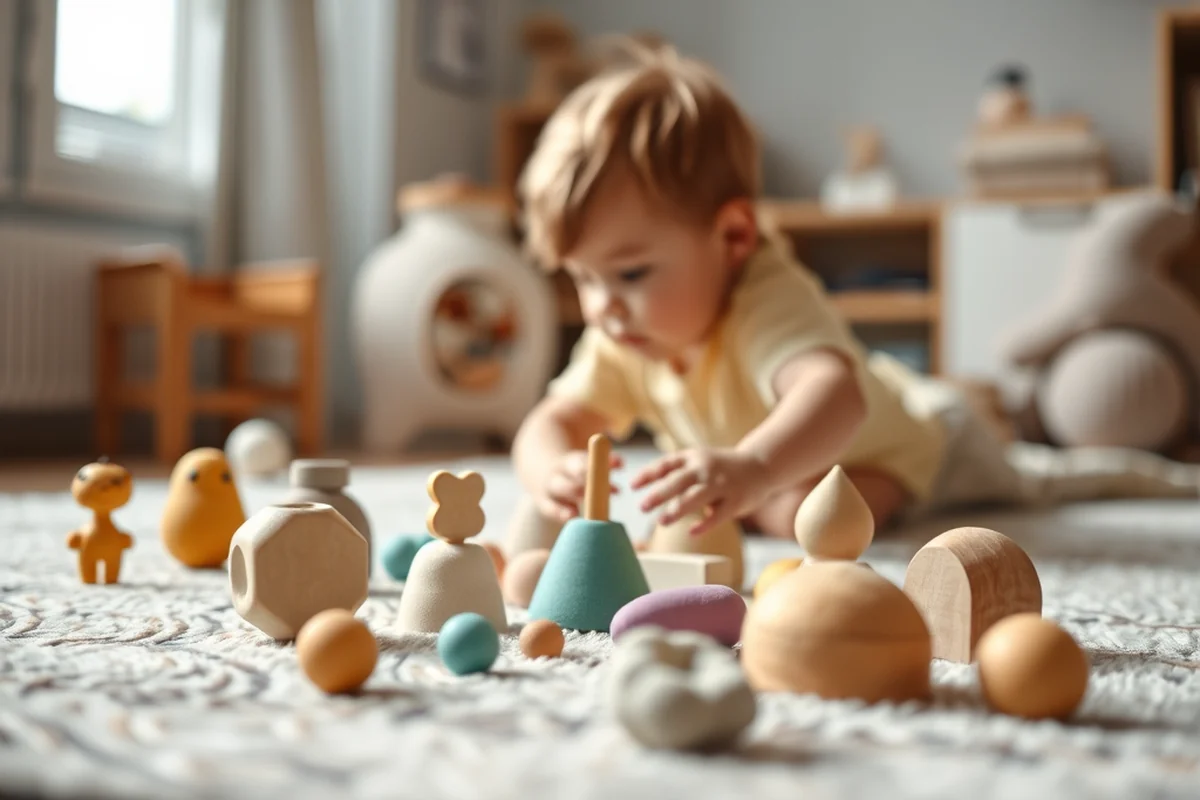
I've seen my child spend hours at the art table, mixing colors, creating collages, and even trying to build a bridge with blocks. These kids are the ones who thrive on hands-on activities and imaginative play.
They often get deeply involved in their projects and can lose track of time. I've learned that giving them space to work without interruption helps them feel more confident and accomplished.
One thing I've noticed is that these kids love to be praised for their creativity, even if the result isn't perfect. It's a great way to build their self-esteem.
Creativity is the key to building a strong foundation of confidence in young children.
Related: What is the queens museum
The Social Leader Type
My son once led a group of four other toddlers in a game of 'follow the leader' at the museum, and it was amazing to watch how he connected with them. These kids are the ones who bring others together and encourage social interaction.
They often thrive in group settings and enjoy being the center of attention. I've found that giving them a chance to lead activities can help them feel more confident and in control.
One tip I've used is to let them take the lead in choosing which exhibit to visit next. This gives them a sense of autonomy and helps them feel more in charge.
Allow your child to choose which exhibit to visit next or which activity to participate in. This gives them a sense of autonomy and helps them feel more confident in social settings.
“I remember the first time my daughter walked into a toddler museum and immediately claimed a corner as her own.”— Toddler Museum Exploration editors
Related: Toddler museum queens mistakes
The Quiet Observer Type
I've seen this type of child sit quietly in a corner, watching other toddlers play and exploring the museum. They don't always engage directly, but they're taking in everything around them.
These kids may not be the most vocal or active, but they're still learning and growing. I've found that giving them space to observe without pressure is key to helping them feel comfortable.
It's important to respect their need for space and not push them into activities they're not ready for. Encouraging them to explore at their own pace can help them feel more at ease.
Related: Toddler museum queens checklist
The Playful Leader Type
This is the child who runs from exhibit to exhibit, pointing things out and encouraging others to join them. They're the ones who make the museum feel like an adventure.
They often thrive on movement and exploration, and they're the ones who keep the momentum going. I've found that giving them space to lead the way helps them feel more confident and in control.
One thing I've noticed is that these kids love to be praised for their energy and enthusiasm. It's a great way to reinforce their positive behaviors.
Related: Top toddler museum queens
The Imaginative Storyteller Type
I've watched my child sit at the puppet stage and create an entire story with the puppets, acting out scenes and inviting others to join in. These kids are the ones who bring the museum to life with their imagination.
They often enjoy role-play and storytelling, and they're the ones who make the museum feel like a magical place. I've found that giving them space to create and share their stories helps them feel more confident and creative.
It's important to encourage their storytelling and let them take the lead in creating their own narratives. This helps them feel more in control and expressive.
Imagination is the key to unlocking a child's creative potential.
Related: Cheap toddler museum queens
The Energetic Explorer Type
This is the child who runs from exhibit to exhibit, exploring everything in their path. They're the ones who keep the momentum going and make the museum feel like an adventure.
It's important to respect their energy and not try to slow them down. Encouraging them to explore at their own pace helps them feel more at ease and engaged.
The Sensory Seeker Type
The Sensory Seeker Type is often found touching, tasting, or listening to everything in the museum. These toddlers may spend up to 30 minutes exploring a single exhibit that offers varied textures or sounds. I once watched my son spend 25 minutes with a water table, repeatedly dipping his hands in and out of the water, fascinated by the way it felt and moved. This type of engagement is crucial for sensory development and helps build neural pathways in the brain.[3]
To support a Sensory Seeker, parents should provide a variety of sensory-rich experiences both at home and in museums. I’ve found that visiting museums with tactile exhibits, such as those with fabric swatches or interactive sound panels, is especially beneficial. When I took my son to a science museum, he was thrilled to press buttons that made different noises and touch materials with different textures. These experiences not only kept him engaged but also helped him develop a better understanding of the world around him.
It’s also important to set boundaries for sensory exploration to ensure safety. I’ve learned that having a small, designated area at home with items like sensory bins filled with rice or beans helps satisfy their curiosity in a controlled environment. I keep a bin with 3 pounds of rice and a few small plastic animals in our living room, which my son enjoys playing with for about 20 minutes each day. This allows him to explore safely while still feeling a sense of control and satisfaction from his discoveries.[4]
🌿 Gentle Guide
Supports quieter or more observant toddlers who prefer to explore at their own pace.
🏃♀️ Fast-Track Adventure
Ideal for energetic toddlers who thrive on movement and exploration.
✈️ Travel/away-from-home
Helps toddlers adapt to new environments and maintain their museum queen identity while on the go.
👶 Multiples
Supports parents with multiple toddlers who may have different museum queen identities.
🔄 Regression Reset
Helps toddlers who are going through a phase of less confidence or curiosity in museum settings.
| The mistake | Why it happens | The fix |
|---|---|---|
| Trying to control the museum experience | This can make the child feel pressured and reduce their confidence and curiosity. | Respect their needs and let them explore at their own pace. |
| Overlooking the child's unique museum queen identity | This can lead to frustration and a lack of engagement in the museum. | Observe and understand the different types of toddler museum queens and adjust your approach accordingly. |
| Forcing interaction on a quiet observer | This can make the child feel uncomfortable and reduce their engagement in the museum. | Respect their need for space and avoid pushing them into activities they're not ready for. |
| Not providing enough space for creative builders | This can lead to frustration and a lack of confidence in their projects. | Give them space to build and create without interruptions. |
Types Of Toddler Museum Queens
Common Questions
What should I do if my child is shy in the museum?
How can I help my child who is the creative builder type thrive?
What can I do if my child is the social leader type?
How can I support my child who is the quiet observer type?
References
- ERIC - EJ1169782 - Investigating and Learning from Toddler Play in a ... (eric.ed.gov)
- Hours of Operation - Gerald R. Ford Presidential Museum (fordlibrarymuseum.gov)
- Smarthistory.org (lib.uwest.edu)
- IDNYC - New York Academy of Art (nyaa.edu)
Cite this guide
Toddler Museum Exploration (2026). Types Of Toddler Museum Queens. https://toddlercove.com/types-of-toddler-museum-queens/
Feel free to cite or share this guide.
Toddler Museum Day Checklist
Filterable checklist for planning and packing for a museum visit with a toddler.
Open it free →